
Mobile-Friendly, Interactive Voter Guides
Attorney General Candidates
Attorney General Candidates
Listed in Ballot Order
Survey Questions for This Race
- Experience and Vision: What leadership experience (personal, professional, fiscal, other) would you bring to the role of Attorney General that will benefit our State? What is your vision for being our Attorney General, and what do you see as the biggest challenges facing the A.G.'s office?
- Constitution Duties and Civil Liberties: How will you interpret and uphold the U.S. and Colorado Constitutions, including protecting civil liberties such as free speech, religious exercise, and equal protection under the law? How would you respond if you believe a state law or action conflicts with constitutional requirements?
- Constitutional Compatibility: Many Christians are concerned about ideologies that place the state, the collective, or religious law above individual liberty and limited constitutional government. Do you believe socialism, communism, or political movements seeking to impose religious law — including Islamic Sharia law — are compatible with America's constitutional representative democracy? Why or why not?
- Supporting Law Enforcement: As Attorney General, what policies will you seek to advance that will help law enforcement improve community safety? What will your approach be to working with other law enforcement agencies and organizations?
- Drug Enforcement: As Attorney General, how will you approach drug enforcement in Colorado, including the opioid crisis? What specific, actionable steps will you take to counter drug gangs and cartels operating in Colorado and trafficking substances like fentanyl?
- Investigating Elections: As Attorney General, how will you thoroughly and impartially investigate accusations of election-related violations within the scope of your legal authority?
- Working with Other States and Federal Agencies: How will you work with other States' Attorneys General and Federal agencies on issues of national importance?
- Independence and Legal Judgment: The Attorney General may face pressure from elected officials, agencies, or public opinion. How would you maintain independent legal judgment when deciding whether to defend, challenge, or decline to support a law or executive action?
- Accountability and Transparency: How would you ensure transparency in the Attorney General's office—particularly in decisions about prosecutions, legal opinions, and participation in lawsuits—while still protecting sensitive legal matters?
- Consumer Protection and Fraud: What strategies would you prioritize to protect Colorado consumers from fraud, scams, and deceptive business practices, including emerging threats such as cyber crime?
- Use of State Legal Resources: How would you determine when it is appropriate to initiate or join lawsuits—particularly multi-state litigation involving the federal government—and how would you ensure taxpayer resources are used responsibly in those efforts?
Michael J. Allen
Experience and Vision
What leadership experience (personal, professional, fiscal, other) would you bring to the role of Attorney General that will benefit our State? What is your vision for being our Attorney General, and what do you see as the biggest challenges facing the A.G.'s office?
I’m the District Attorney serving El Paso and Teller counties. I lead the largest DA’s office in Colorado, managing the team and budget. I have driven down costs and crimes. I started an organized crime unit that has prosecuted drug dealers and taken fentanyl off our streets. I launched Colorado’s first Motor Vehicle Theft Prosecution Task Force and drove down motor vehicle theft by over 50%. Driving down thefts reduces costs. I started the only election integrity and fraud unit prosecuting those committing election fraud. I focus on protecting parents’ rights, and our children bringing justice to victims. I will bring these same programs to the state and ensure the office is focused on what is best for Colorado residents.
Constitution Duties and Civil Liberties
How will you interpret and uphold the U.S. and Colorado Constitutions, including protecting civil liberties such as free speech, religious exercise, and equal protection under the law? How would you respond if you believe a state law or action conflicts with constitutional requirements?
I would uphold the United States and Colorado Constitutions by applying the law fairly, protecting individual rights, and ensuring government actions remain within constitutional limits. Civil liberties, including free speech, religious exercise, due process, and equal protection, must be defended regardless of politics or public pressure. My responsibility is to follow the Constitution as written. As DA, I have testified at the State Capitol against countless unconstitutional bills. As Ag, if I believed a state law or government action conflicted with constitutional requirements, I would review the issue, try to have it overturned, and refuse to defend or enforce actions clearly violating constitutional protections. The Constitution must remain the foundation of accountable, ethical public service for every person under law.
Constitutional Compatibility
Many Christians are concerned about ideologies that place the state, the collective, or religious law above individual liberty and limited constitutional government. Do you believe socialism, communism, or political movements seeking to impose religious law — including Islamic Sharia law — are compatible with America's constitutional representative democracy? Why or why not?
I do not believe any movement which seeks to stand between the inalienable, God given rights and the individual are compatible with our constitutional representative democracy. Any movement, whether religious or political, becomes incompatible with America’s constitutional representative democracy if it seeks to eliminate constitutional rights, undermine equal protection, suppress political opposition, or replace constitutional government with authoritarian rule. Movements must not override individual liberty and must support limited government protected by the Constitution. For example, during COVID shutdowns, we allowed governments to close churches, keep loved ones out of hospitals and restrict our liberties. I have in the past sought to protect our liberties and will continue this work.
Supporting Law Enforcement
As Attorney General, what policies will you seek to advance that will help law enforcement improve community safety? What will your approach be to working with other law enforcement agencies and organizations?
I’ll advance policies that strengthen collaboration, accountability, and public safety across all levels of law enforcement. I thrive on building strong relationships across agencies and will continue expanding the cooperative work we have accomplished in JD4. We work closely with federal, state, and local partners to ensure smooth transitions and effective processes throughout the judicial system. By working together, agencies can leverage specialized skills, improve communication, reduce duplication of effort, and protect taxpayer resources. My approach will emphasize professionalism, transparency, constitutional policing, victim protection, and community trust. Strong partnerships between law enforcement agencies, prosecutors, community organizations, and public officials are essential to improving safety, addressing crime effectively, and ensuring consistent and fair application of the law throughout Colorado communities.
Drug Enforcement
As Attorney General, how will you approach drug enforcement in Colorado, including the opioid crisis? What specific, actionable steps will you take to counter drug gangs and cartels operating in Colorado and trafficking substances like fentanyl?
As DA, I created an Organized Crime Unit to prosecute fentanyl traffickers, cartels, and violent robbery rings. This unit has prosecuted more fentanyl-death cases than any other office in Colorado and secured the longest prison sentences statewide. My approach to drug enforcement and dealing with the opioid crisis involves partnering with law enforcement and other agencies. Doing so we have taken more fentanyl off our streets than most jurisdictions. We work hard to ensure prosecutions are brought and those seeking to kill our neighbors face the consequences.
Investigating Elections
As Attorney General, how will you thoroughly and impartially investigate accusations of election-related violations within the scope of your legal authority?
I started the only election integrity fraud unit in a District Attorney’s office in the state because without confidence in our elections the basis of our Representative Republic is shaken. For example, one case we prosecuted involved signature gatherers who turned in signed petitions. Unfortunately, the days the signatures took place were during a severe snowstorm and getting across town was impossible. After investigation, we proved the signatures were fraudulent. Once we had the evidence collected, we sought extradition and had the offenders returned and were sentenced to jail time. In addition to the authority of the office to act as Attorney General, I will advocate for safe and fair elections and continue to testify in support of trusting elections.
Working with Other States and Federal Agencies
How will you work with other States' Attorneys General and Federal agencies on issues of national importance?
I’ll work cooperatively with other states’ Attorneys General and federal agencies to address issues of national importance that affect Colorado families, businesses, and public safety. By strengthening these partnerships, we can share expertise, coordinate investigations, exchange best practices, and respond more effectively to complex issues that cross state lines, including organized crime, drug trafficking, cybercrime, consumer protection, human trafficking, and election security. I’ll emphasize professionalism, constitutional principles, and collaboration while protecting Colorado’s sovereignty and interests. Working together allows states to leverage resources efficiently and provide stronger, more consistent enforcement of the law nationwide.
Independence and Legal Judgment
The Attorney General may face pressure from elected officials, agencies, or public opinion. How would you maintain independent legal judgment when deciding whether to defend, challenge, or decline to support a law or executive action?
The Attorney General is an independently elected constitutional officer and that independence is essential to following the law and Constitution without political pressure. I have experienced this responsibility as a District Attorney. In some cases, individuals believed there was enough evidence to bring charges, but after reviewing the Constitution, statutes, and legal standards, I determined prosecution was not legally or ethically appropriate. In one instance, community members urged criminal charges over concerns about school materials. However, under the Colorado Constitution, local school boards have authority over educational resources. Rather than pursue unsupported charges, I worked with school officials to clarify their responsibilities and guide them on the lawful process for reviewing and removing materials when appropriate while respecting constitutional limits.
Accountability and Transparency
How would you ensure transparency in the Attorney General's office—particularly in decisions about prosecutions, legal opinions, and participation in lawsuits—while still protecting sensitive legal matters?
I’m a data-driven leader who places a high value on transparency and accountability in government. As Attorney General, I would ensure the public has clear, accessible information about the work of the office, including the types of cases we pursue, major legal actions, and the reasoning behind key decisions. In my current role, I had a public-facing dashboard built so the community can view office performance and activity in real time. I will build on that approach. At the same time, transparency must be balanced with legal and ethical obligations to protect confidential information, including victim privacy, active investigations, and sensitive law enforcement materials. The goal is openness in decision-making while preserving the integrity of prosecutions and protecting due process.
Consumer Protection and Fraud
What strategies would you prioritize to protect Colorado consumers from fraud, scams, and deceptive business practices, including emerging threats such as cyber crime?
As Attorney General, I’d prioritize a multi-layered approach that combines enforcement, prevention, and partnerships to protect Colorado consumers from fraud, scams, and deceptive business practices, including emerging cyber threats. Strong enforcement would focus on investigating and prosecuting bad actors, particularly those targeting seniors, families, and small businesses. Given the rise of cybercrime, I would strengthen collaboration with federal, state, and local partners, as well as industry experts, to improve information sharing and response capabilities. I’d also invest in modern investigative tools and training to keep pace with evolving technology-based threats. Finally, I would ensure the office remains accessible so consumers can easily report fraud and receive timely assistance, while using data to identify patterns and stop large-scale deceptive practices early.
Use of State Legal Resources
How would you determine when it is appropriate to initiate or join lawsuits—particularly multi-state litigation involving the federal government—and how would you ensure taxpayer resources are used responsibly in those efforts?
I’d determine whether to initiate or join litigation based on clear legal merit, constitutional authority, and the impact on Colorado residents. Key factors include whether there is a substantial legal question, demonstrable harm to the state or its citizens, and a reasonable likelihood of success or meaningful legal clarification. In multi-state litigation involving the federal government, I’d also consider whether participation strengthens the legal argument, aligns with Colorado’s interests, and allows for efficient sharing of resources and expertise.
To use taxpayer dollars responsibility, I’d conduct a cost-benefit analysis before joining cases, prioritize high-impact matters, and continuously review active litigation for value. All decisions would be guided by the rule of law, fiscal responsibility, and protecting Colorado’s constitutional and economic interests.
Jena Griswold
Candidate did not confirm receipt of our Questionnaire, though we sought to contact her multiple times and by various methods. Therefore, we do not know if the Candidate is even aware of the opportunity to participate in the Voter Guide, or whether she is aware and chose not to participate.
JOIN THE COALITION
JOIN OUR E-LIST
Christian voting
Voting is a simple, yet significant way to do something about public policy in our country. As people of faith, we will be held accountable for our actions, as well as our lack of action. (Luke 12:48)

Biblical worldview
By diligently learning, applying, and trusting God’s truths in every area of our lives, we can begin to develop a deep comprehensive faith that will stand against the unrelenting tide of our culture’s non-biblical ideas.

Vote your values
The issues of the day change. Political parties and platforms change. God’s Word never changes. The vote of every Christian should be based on the principles of Scripture and not persuasive personalities.
Electing righteous leaders
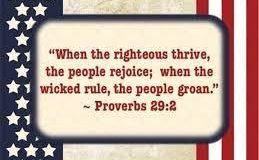
Bad governance and our loss of freedom is the direct result of the church’s failure to disciple. When the citizenry do not seek to be obedient to God’s Law, they vote in wicked and corrupt candidates, who then trample underfoot the God-given liberties of the people.